


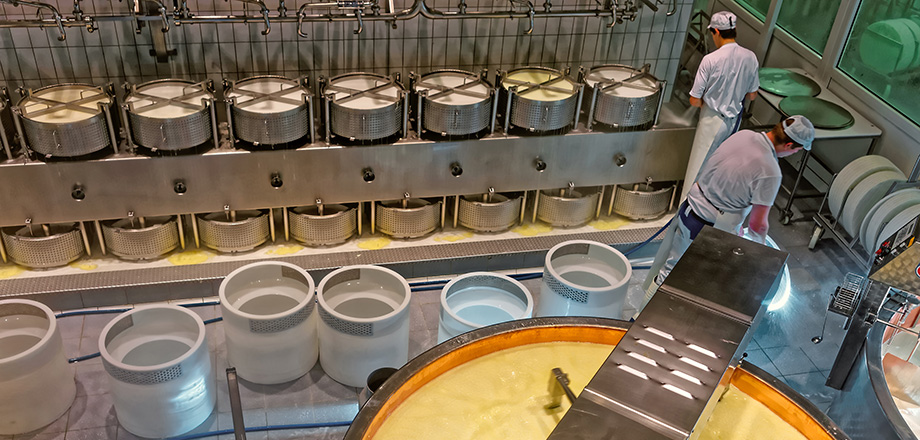
The food industry represents one of the most important and dynamic sectors of the global economy, dealing with the production, processing, distribution and marketing of food and beverages. This industry involves a wide range of activities and players, ranging from agricultural production to retail distribution. The main activities of the food industry include:
- Primary production: Involves the cultivation of agricultural raw materials, such as grains, fruits, vegetables and animal husbandry. This stage is often linked to agribusiness, which provides the basis for processing.
- Processing and Processing: Raw materials are transformed into ready-to-eat food products or for further processing. This stage includes processes such as milling, packaging, preservation, and pasteurization.
- Industrial production: Includes the production of packaged foods, such as snacks, beverages, baked goods, dairy products and frozen foods. Companies use advanced technologies to improve efficiency and ensure quality.
- Distribution and sales: Food products reach the market through distribution networks that include supermarkets, retail stores, restaurants and e-commerce platforms.
- Innovation and research: The food industry invests in research and development to create new products, improve preservation techniques, develop sustainable alternatives, and meet changing consumer preferences.
- Regulations and certification: Companies must comply with strict food safety regulations and obtain certifications such as HACCP (Hazard Analysis and Critical Control Points) or ISO 22000 to ensure the quality and safety of their products.
The food industry faces numerous market challenges related to economic, social and environmental factors. Key challenges include:
- Commodity price volatility: Fluctuations in the prices of grains, sugar, oil and other key ingredients can affect production costs and profit margins.
- Variable demand: Consumer preferences are constantly changing. Demand for healthy, organic, vegan and sustainable foods is growing, forcing companies to adapt quickly.
- Global competition: The food industry is characterized by intense competition between local and multinational companies as they try to capture market share in an increasingly globalized environment.
- Stringent regulations: Food safety, labeling and traceability laws are increasingly stringent, directly impacting operating costs.
- Complex supply chains: Managing supply chains, which are often global, is a challenge to ensure product quality and freshness.
- Food waste: Food waste is a growing issue, with losses occurring at all stages of the supply chain, from production to distribution.
- Rising energy costs: Food processing and storage require significant amounts of energy, making the sector particularly vulnerable to increases in energy costs.
These issues require an innovative and strategic approach, with an increasing focus on sustainability, operational efficiency and meeting new consumer demands.
Food safety and worker protection are central issues in the food industry, which operates in a high-risk environment for public health and occupational safety. Key risks include:
- Food contamination: Food can be contaminated with pathogenic bacteria (such as Salmonella, Listeria or E. coli), viruses, parasites or chemicals, posing serious health risks.
- Adulteration and fraud: Alteration of food products, such as the addition of undeclared or inferior ingredients, poses a significant risk to consumers.
- Undeclared allergens: The omission of common allergens, such as milk, gluten or peanuts, can cause severe allergic reactions.
- Chemical residues: The use of pesticides, antibiotics and hormones in foods can lead to health-threatening residues.
- Labeling errors: Miscommunication on labels can lead to poor or health-threatening food choices for consumers.
With regard to the health and safety of workers, there are likewise numerous risks such as exposure to hazardous machinery, exposure to chemicals (e.g., detergents, preservatives, and other potentially toxic chemicals), stressful working conditions (long shifts, extreme temperatures in processing departments, and intense pace), and musculoskeletal diseases due to repetitive handling and intensive manual labor.
To mitigate these risks, companies adopt strict standards, implement food safety management systems and offer ongoing training programs for staff.
The food industry also has significant environmental impacts, from consumption of natural resources to greenhouse gas emissions and waste generation ; a particularly significant aspect is food waste: huge amounts of food are wasted throughout the supply chain, contributing to pollution and loss of resources.
To address these impacts, companies must invest in sustainable practices such as adopting biodegradable packaging and reducing food waste.
The food industry operates in a complex environment characterized by market challenges, safety risks and significant environmental impacts. To address these issues, companies must adopt innovative strategies, promote sustainable practices, and ensure high standards of quality and safety. Solver can provide qualified support to address to overcome the many challenges in this industry.